How to Use Water Reuse Systems in Home Gardening
Understanding the Essentials of Water Reuse in Home Gardening
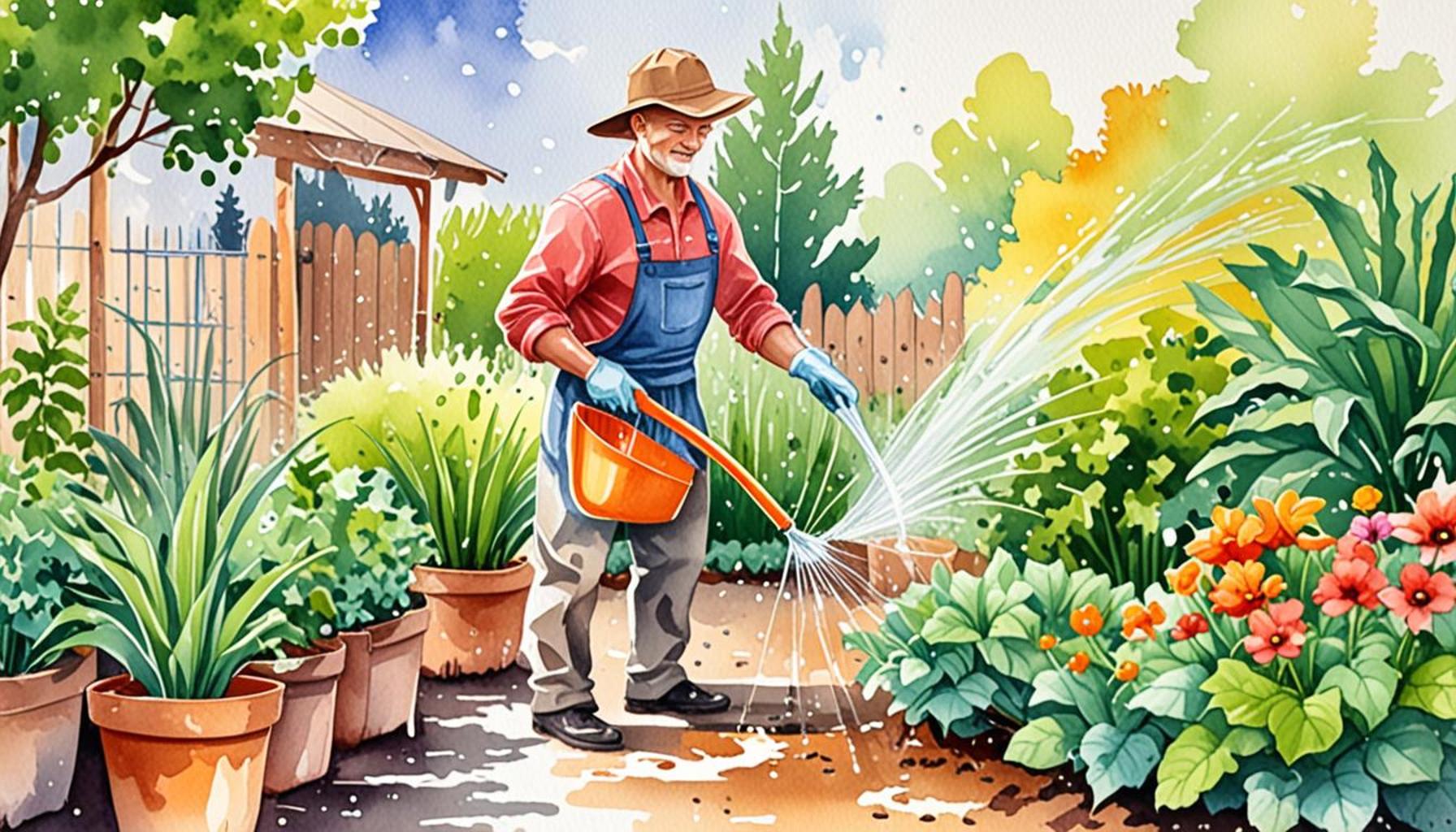
As we face increasing challenges related to climate change and dwindling water supplies, innovative solutions like water reuse systems in home gardens have emerged as essential tools for nurturing our plants while safeguarding vital resources. These systems not only yield substantial economic benefits but also foster a deeper connection with environmental stewardship. By embracing water reuse methods, you position yourself as part of a larger movement towards sustainable living while ensuring your garden flourishes.
The adoption of water reuse systems entails a range of compelling advantages:
- Conservation: Implementing water reuse systems can lead to significant reductions in your water bills while alleviating the pressure on local water supplies. For instance, homeowners can collect an astonishing amount of rainwater during a single storm, potentially enough to water their gardens for weeks.
- Improved Plant Health: Utilizing reused water often means nourishing your plants with naturally occurring nutrients. For example, water from washing vegetables or rinsing pots may contain organic debris and minerals that promote plant growth. Many gardeners notice an improvement in their plants’ resilience and vitality when using this nutrient-rich water.
- Eco-friendly Practices: By recycling water within your home, you significantly contribute to sustainability efforts. If all households adopted such practices, we could collectively save millions of gallons of water each day, reducing our carbon footprint and promoting a healthier ecosystem.
Implementing water reuse systems can be both straightforward and rewarding. Home gardeners across the United States are discovering various effective methods to integrate these practices into their routines, including:
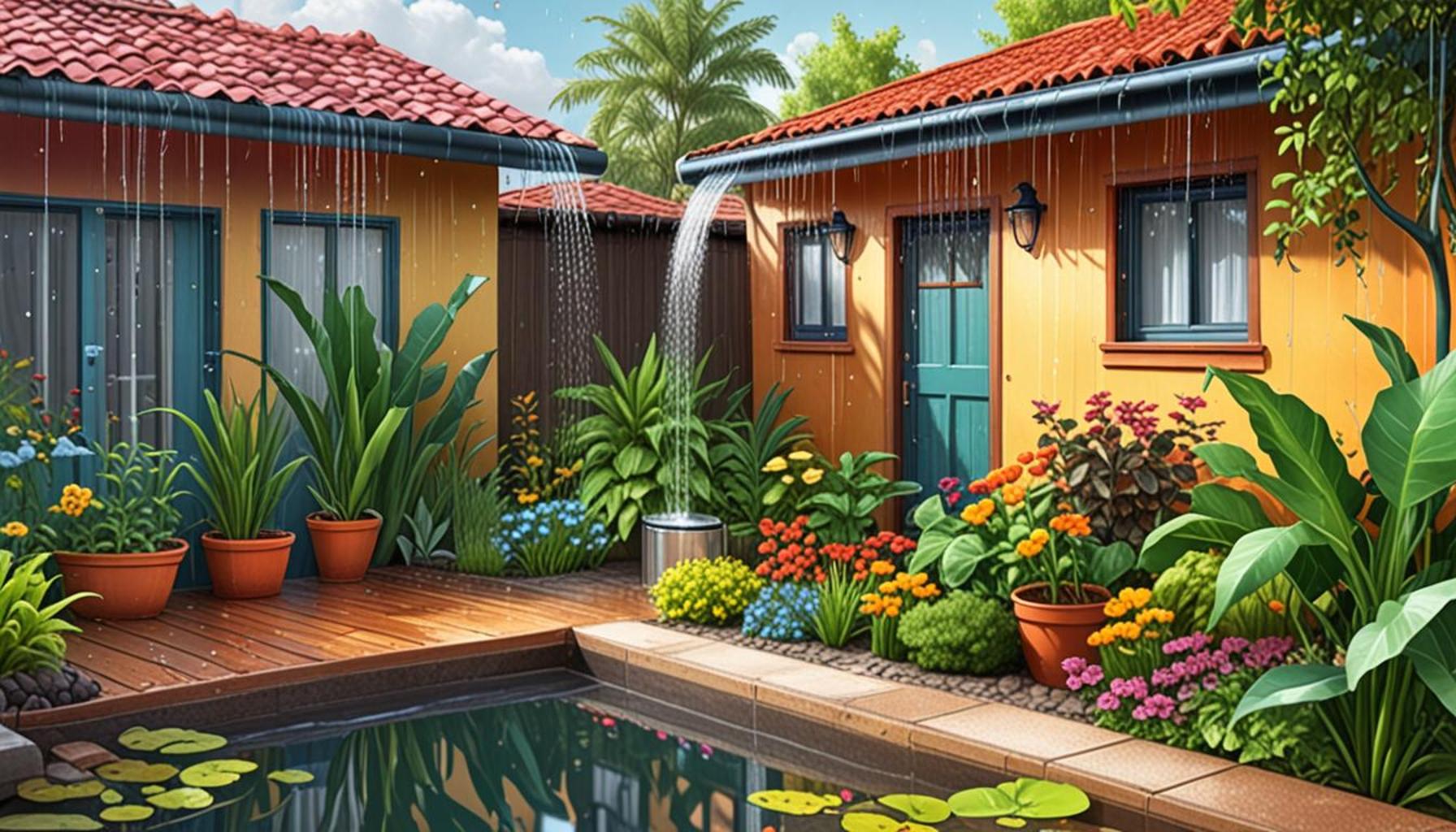
- Catching rainwater: Install rain barrels or larger cisterns to collect and store rainwater from rooftops. This harvested water is ideal for irrigation and can be a reliable source even during hot months.
- Using greywater: Greywater systems can redirect water from sinks, showers, and even washing machines for irrigation purposes. For example, the water used to rinse out a pasta pot can be repurposed to nourish your flowerbed, ensuring minimal wastage.
- Implementing drip irrigation systems: These systems efficiently deliver water directly to the plant roots, minimizing evaporation and runoff. When combined with reused water, they become an invaluable resource for sustaining greenery in arid regions.
As the impacts of climate change deepen and water scarcity issues intensify, it is becoming increasingly important for gardeners to not only understand but also effectively implement these sustainable practices. In the upcoming sections, we will delve into practical tips for setting up water reuse systems as well as best practices to optimize their benefits. Through careful planning and execution, you can cultivate a thriving garden while championing the cause of water conservation in your community.
DIVE DEEPER: Click here to learn more about soil health
Setting Up Your Water Reuse System: Practical Considerations
As the benefits of water reuse systems in home gardening become increasingly apparent, many enthusiasts are eager to implement them in their own backyards. However, the journey towards effective water reuse begins with understanding the fundamental components and practices that will create a successful system tailored to your specific gardening needs.
Catching Rainwater is one of the simplest and most effective methods to start your water reuse journey. By installing rain barrels or larger cisterns connected to your roof gutters, you can collect rainwater that would otherwise flow away unutilized. An average household can collect around 600 gallons of rainwater during a single 1-inch rainfall, depending on the size of the roof. This harvested water can be diverted directly to your garden, offering a sustainable option for irrigation during dry spells. When setting up a rainwater collection system, ensure that:
- Barrels and Cisterns: Choose food-grade containers to prevent contamination. Position them strategically to maximize water collection.
- Filtration: Install mesh screens to filter debris and prevent mosquitoes from breeding in the collected water.
- Overflow System: Ensure your setup includes an overflow pipe that directs excess water away from your foundation to prevent damage.
Another effective approach to maximize water conservation is through greywater systems. Greywater refers to the relatively clean waste water from baths, sinks, and washing machines, distinct from black water (which contains sewage). By redirecting this water for irrigation, homeowners can save a significant amount of water daily while nourishing their plants. For example, saving water from your laundry may free up approximately 30 gallons per load, providing a consistent source for your garden.
Implementing a greywater system involves a few critical steps:
- Check Local Regulations: Before installation, familiarize yourself with local laws regarding greywater usage, as regulations can vary widely across states.
- Filter the Water: Utilize filters to ensure that any contaminants are removed from the water used for irrigation to protect plant health.
- Design a Distribution Method: Create a simple irrigation design using drip hoses or a network of pipes to direct the greywater to the appropriate areas of your garden.
In conjunction with these systems, adopting drip irrigation techniques can further enhance your garden’s efficiency while using recycled water. Drip irrigation delivers water directly to the roots of plants, greatly reducing evaporation rates and ensuring that water is used efficiently. This is especially beneficial in regions facing water scarcity.
By embracing these techniques—catching rainwater, utilizing greywater, and integrating drip irrigation—you can not only cultivate a thriving garden but also contribute positively to your community and the environment. It’s a practical and fulfilling approach to gardening that champions sustainability and conservation, urging us all to be more mindful of how we use our most precious resource: water.
Understanding Water Reuse Systems
Water reuse systems play a vital role in sustainable home gardening practices by significantly reducing water waste and enhancing eco-friendliness. These systems collect and treat wastewater from various sources within your home, making it suitable for irrigation and other gardening needs.
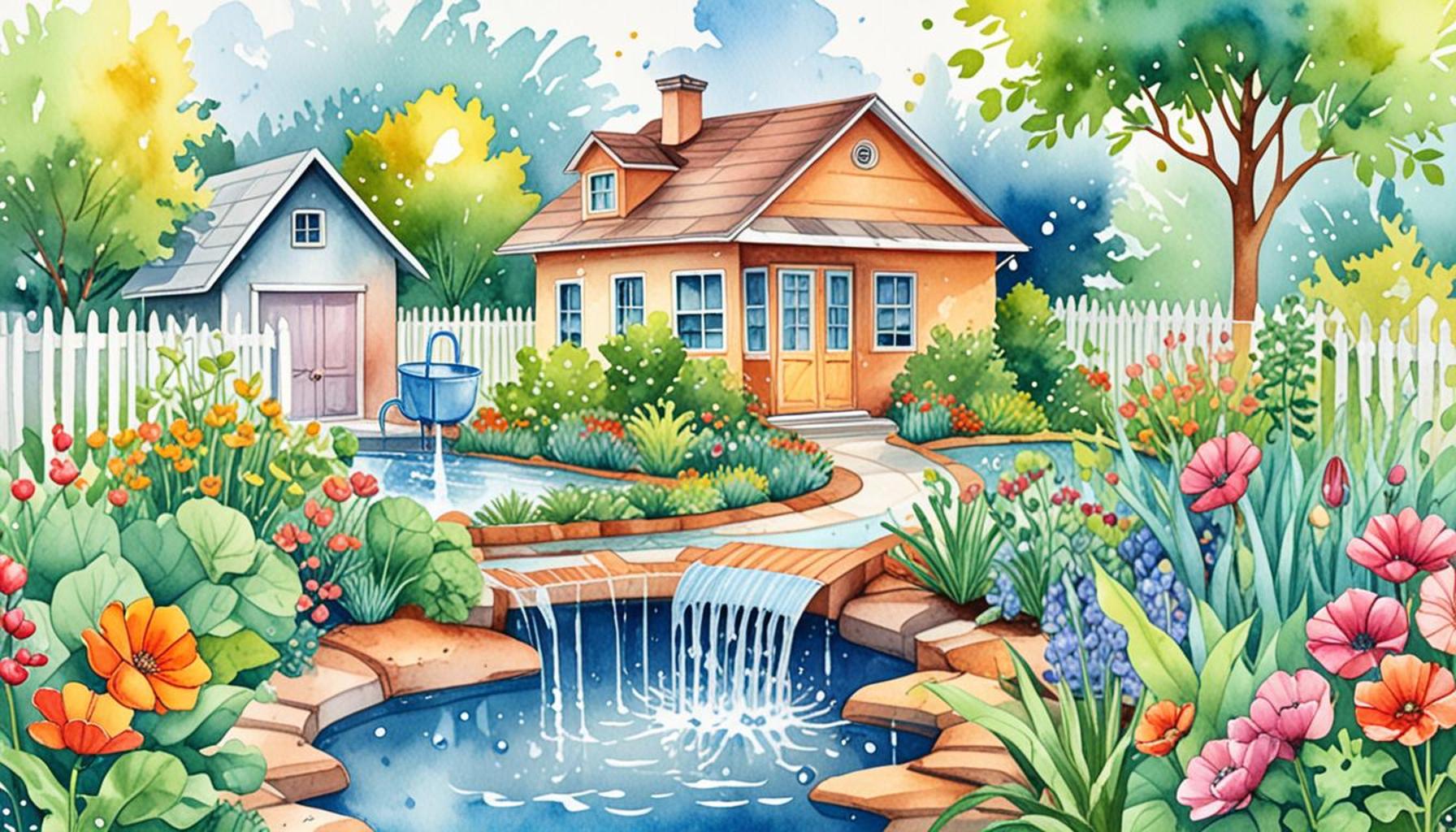
Implementing a Rainwater Harvesting System is one of the most effective ways to begin your journey into water reuse. By capturing rain from rooftops, you can store it in barrels or tanks for later use. This method not only provides a free water source but also assists in reducing stormwater runoff, thus protecting local waterways.
Another innovative approach is the use of greywater recycling systems. These systems recycle wastewater from sinks, showers, and laundry for irrigation purposes. With proper filtration and treatment, greywater can be redirected to your ornamental plants, vegetable beds, and trees without contaminating your edible crops.
Beyond just conserving water, these systems encourage the cultivation of a more resilient garden. By relying on reused water, you’re doing your part in preventing water scarcity and promoting biodiversity in your local ecosystem. Furthermore, they help to build awareness around sustainable gardening practices, encouraging others in your community to consider similar systems.
Incorporating water reuse systems into your gardening routine not only demonstrates environmentally responsible behavior but also has the potential to reduce your water bills significantly. This presents an opportunity to invest in new gardening tools, seeds, or plants, maximizing the joy of your gardening experience. Remember, every drop counts, and by learning about and implementing water reuse techniques, you’re contributing to a more sustainable future.
| Category | Details |
|---|---|
| Rainwater Harvesting | Captures free water source, reducing reliance on municipal supplies. |
| Greywater Recycling | Treats wastewater for irrigation, promoting plant health without extra costs. |
DIVE DEEPER: Click here to discover layered harvesting techniques
Enhancing Your Water Reuse System: Techniques and Innovations
Once you’ve established the core components of your water reuse system, the next step is to enhance its efficiency through innovative techniques and practices that can streamline your gardening experience. Water conservation in home gardening doesn’t stop at collection; it also involves smart usage and maintenance to ensure that every drop counts.
Composting Toilets are an emerging option for homeowners looking to take water reuse to the next level. By investing in a composting toilet, you take a step away from traditional plumbing appliances that use an average of 1.6 gallons per flush. These toilets require minimal water and convert human waste into compost, which can later be used to enrich your garden soil—provided you follow local regulations regarding humanure. As a result, you create a closed-loop system that irrigates and nourishes your garden sustainably.
If composting toilets don’t appeal to you, consider the concept of smart irrigation systems, which leverage artificial intelligence and sensors to optimize water application in your garden. These systems can monitor soil moisture levels, weather conditions, and even plant needs to ensure your plants receive the ideal amount of water. By reducing waste, not only do these high-tech solutions promote water conservation, but they also save time for gardeners.
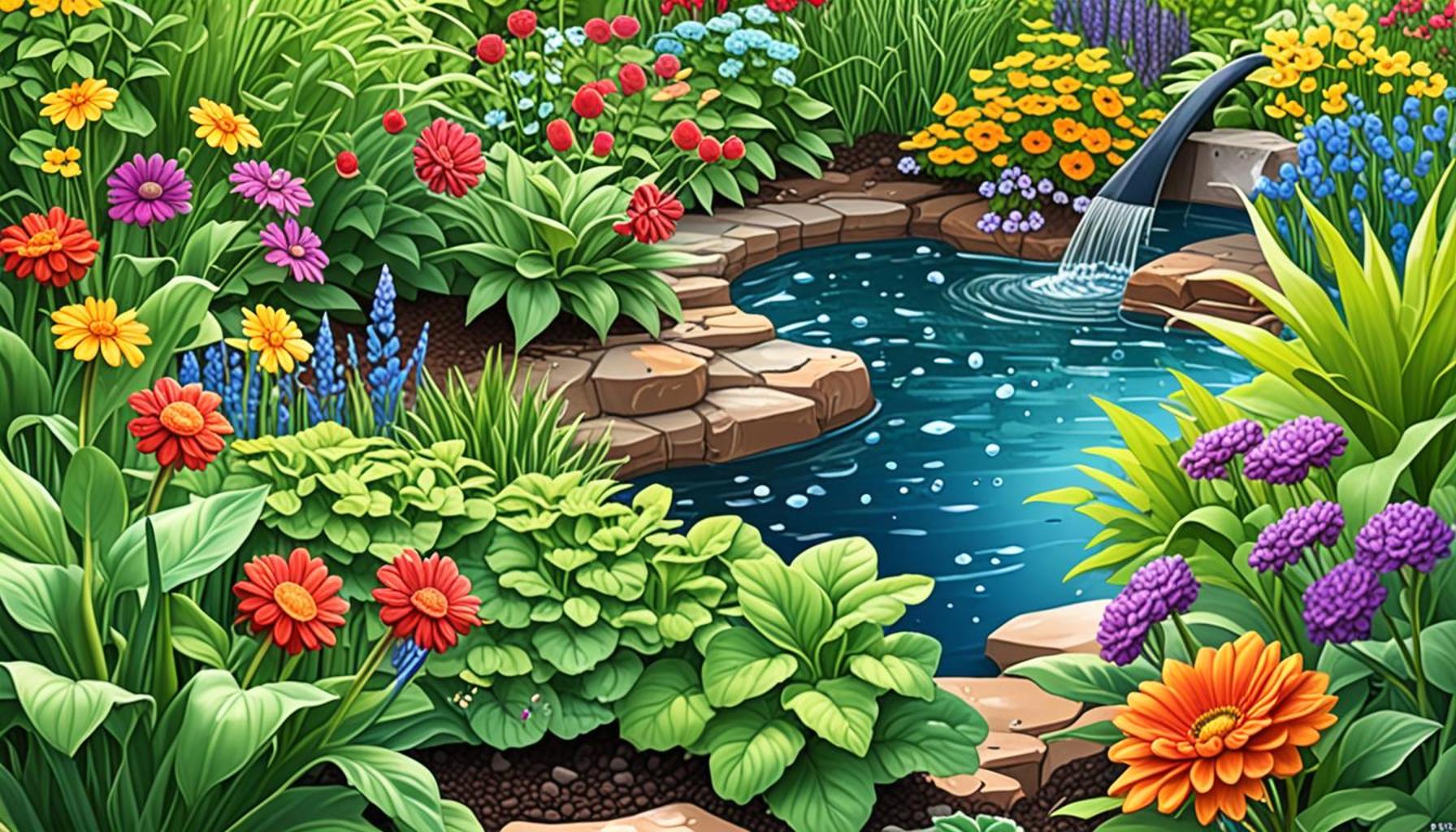
Constructed wetlands offer another unique approach to water reuse. This ecological system mimics natural wetland processes to treat greywater and stormwater runoff before reintroducing it back into your garden or landscape. By filtering out contaminants and providing a natural habitat for plants and wildlife, constructed wetlands can significantly enhance multifunctional gardening. These systems can be built to fit even modest-sized urban spaces, serving both beauty and sustainability.
Furthermore, the practice of mulching should not be overlooked. Mulch not only suppresses weeds and maintains soil temperature but also reduces water evaporation. By incorporating organic materials like wood chips, grass clippings, or straw within your garden beds, you create a microclimate that conserves moisture in the soil, allowing your plants to thrive with less frequent watering.
- Types of Mulch: Opt for organic mulch to gradually enrich the soil as it decomposes. On the other hand, inorganic mulch such as gravel or rubber can last longer but may not provide additional nutrients.
- Application Depth: A layer of 2 to 4 inches is typically recommended, whether you’re mulching around flowers, vegetables, or shrubs.
In the realm of community gardening, collaborative reuse systems can elevate your efforts to a whole new level. By partnering with your neighbors to create a communal rainwater or greywater collection system, you can gather larger quantities of water and share the resources for irrigation. This not only fosters community spirit but also enhances environmental fellowship, promoting a collective approach to sustainable living.
Ultimately, embracing various water reuse methods fosters not just a healthier garden, but also a more sustainable and resilient living environment. The potential for creativity in your water conservation practices is immense, encouraging gardeners from diverse backgrounds to share ideas and solutions. In doing so, you become part of a movement that redefines modern gardening in a way that harmonizes with nature, showing how innovative reuse systems can nurture both our plants and our planet.
DISCOVER MORE: Click here to learn about maximizing space usage
Conclusion: Embracing Sustainability Through Water Reuse in Home Gardening
Incorporating water reuse systems into your home gardening practices is not just a beneficial strategy; it’s a necessity in fostering a sustainable future. As water scarcity becomes a pressing global issue, innovative techniques like composting toilets, smart irrigation systems, and constructed wetlands provide creative solutions to maximize the use of available resources while minimizing waste. Not only do these practices lead to healthier gardens, but they also allow for a deeper connection with the environment.
By adopting simple techniques such as mulching to retain moisture, or by joining collaborative reuse systems with neighbors, gardeners can significantly enhance their water conservation efforts. Each of these methods contributes to a holistic approach that encourages resilience in the face of climate change, creating vibrant ecosystems that support not only personal enjoyment but also promote biodiversity.
The future of home gardening lies in our ability to creatively harness and reuse water, transforming the way we view our plants and landscapes. As you delve into the world of water reuse systems, you become a part of an essential movement, pioneering new ways to sustain both your garden and the planet. Explore these techniques, experiment with your own designs, and let the journey of sustainable gardening reignite your passion for nurturing the natural world.