Menu

The Importance of Pest Prevention in Sustainable Vegetable Cultivation

Effective pest prevention is crucial for sustainable vegetable cultivation, promoting biodiversity, enhancing crop quality, and reducing costs. By employing strategies like crop rotation, biological control, and integrated pest management, farmers can achieve healthier harvests while safeguarding the environment, ultimately supporting long-term agricultural resilience and sustainability.

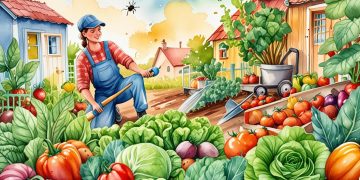
How to Protect Your Garden from Pests with Homemade and Eco-Friendly Solutions

Learn how to protect your garden from pests using homemade and eco-friendly solutions. Discover effective natural repellents, such as garlic and neem oil, alongside sustainable practices like companion planting and natural barriers. Embrace these strategies for a flourishing garden that nurtures both plants and the environment.

Benefits of Using Natural Traps for Pest Control in Home Gardens

Natural traps offer effective pest control for home gardens by promoting environmental safety, cost-effectiveness, and targeted pest management. They enhance plant health, support biodiversity, and reduce chemical exposure, fostering a deeper connection with garden ecosystems while encouraging sustainable gardening practices. Discover a healthier approach to pest management today.

How to Identify and Treat Common Pests in Houseplants

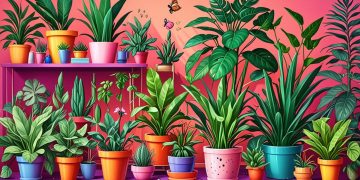
Learn how to effectively identify and treat common pests in houseplants for healthier greenery. Discover signs of infestations like yellowing leaves and sticky residue, along with strategies such as insecticidal soap, neem oil, and preventive measures to safeguard your indoor garden against pests. Elevate your plant care skills today.

Crop Rotation Strategies to Reduce Pest Infestations in Home Gardens

Discover effective crop rotation strategies to combat pest infestations in home gardens. By changing planting locations seasonally, you can disrupt pest life cycles, enhance soil health, and promote a diverse harvest. Embrace eco-friendly practices for a resilient garden ecosystem, yielding bountiful produce while minimizing chemical dependence.

The Role of Beneficial Insects in Maintaining Healthy Gardens

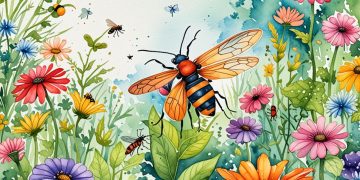
Discover the crucial roles beneficial insects play in maintaining healthy gardens. From essential pollination to natural pest control and soil enhancement, these tiny allies foster biodiversity and resilience in ecosystems, promoting sustainable gardening practices while reducing reliance on chemical pesticides. Embrace and support these vital insects for thriving gardens.

Herbs and Plants that Repel Pests: Cultivating a Protective Garden

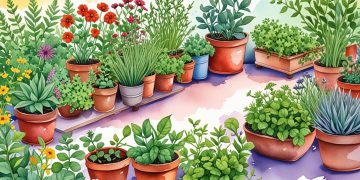
Discover how to cultivate a protective garden by integrating herbs and plants that repel pests. This eco-friendly approach enhances biodiversity, provides non-toxic pest control, and improves the taste of your home-grown produce. Learn about popular pest-repelling plants and effective gardening practices to create a thriving, pest-resistant ecosystem.

The Importance of Soil Health in Pest Prevention in Home Cultivations

Healthy soil is essential for effective pest prevention in home gardens. Prioritizing soil vitality enhances plant resilience, reduces pest infestations, and fosters beneficial microorganisms. Practices like composting, crop rotation, and cover cropping create a thriving ecosystem, promoting sustainable gardening and minimizing reliance on chemical pesticides for effective pest management.

Organic Pest Control Methods for Beginner Gardens

Discover effective organic pest control methods for beginner gardens to promote healthy plant growth and sustainability. Embrace strategies like companion planting, naturally derived sprays, and attracting beneficial insects. Create a thriving ecosystem that naturally manages pests without harmful chemicals, ensuring a flourishing green space that nurtures both plants and wildlife.

Top 5 Common Pests in Home Gardens and How to Identify Them

Home gardening can be rewarding yet challenging due to common pests like aphids, spider mites, whiteflies, slugs, and mealybugs. Identifying these pests early is crucial for maintaining plant health and vitality. Recognizing their signs of infestation allows gardeners to implement effective management strategies, ensuring a thriving garden.