The Importance of Harvest Time: How to Maximize the Flavor and Nutrition of Your Crops
Harvest Time: A Critical Factor for Superior Crops
Timing is everything, especially when it comes to harvesting your crops. The moment you pick your fruits and vegetables can significantly influence their flavor and nutritional value. Understanding the relationship between harvest time and crop quality is essential for both home gardeners and commercial farmers.
In agriculture, the concept of “peak ripeness” is vital. This is the moment when a crop has developed its full potential for taste and nutrition. For instance, tomatoes should be left on the vine until they reach a vibrant color and yield slightly when pressed. Picking them too early often results in a mealy texture and less flavor. On the other hand, waiting too long can cause them to rot or lose their crispness. Research shows that the best time for harvesting tomatoes is when the fruit is fully developed and has turned a deep red color.
Another example to consider is sweet corn. The ideal time to harvest sweet corn is when the kernels are plump, and the silk has turned brown, indicating maturity. If harvested before this point, the corn may be starchy and less sweet, while waiting too long can lead to tough kernels. In commercial agriculture, especially in regions like the Midwest, farmers employ measures such as field observations and tests to ensure they are harvesting at the optimal time.
Aside from taste, the nutritional content of crops is highly dependent on when they are harvested. Nutrients such as vitamins and minerals, which plants synthesize through various biochemical processes, reach their peak levels at different stages of maturity. For example, leafy greens like spinach should be harvested just before flowering, as they contain higher levels of vitamins A and K at this stage. Home gardeners can use tools like a refractometer, which measures the sugar content in fruits, providing a scientific method to determine optimal harvest time.
Post-harvest handling also plays a critical role in preserving flavor and nutrients. Techniques such as minimizing the time crops spend in warm conditions, using gentle handling to avoid bruising, and proper storage methods can significantly impact the quality of the produce. For instance, refrigeration slows the degradation of nutrients and freshness, allowing consumers to enjoy crops at their best.
The agricultural landscape in the U.S. is diverse, offering a vast array of crops, from avocados in California to sushi-grade fish in the Pacific Northwest. Each crop has its own ideal harvest time, which can vary yearly based on climate fluctuations. This variability demands that growers remain vigilant, adapting their practices to ensure a successful harvest. With changing weather patterns, monitoring soil health, and applying traditional knowledge can empower farmers to make informed decisions.
By understanding how various factors influence the quality of crops, growers and consumers alike can work towards maximizing both the flavor and nutrition of their food. This not only enriches meals for families but also contributes to healthier communities. Harvest time is not merely an agricultural task; it’s a critical factor in enhancing the overall food experience.
DISCOVER MORE: Click here for expert tips on maximizing your harvest</
Understanding Optimal Harvest Times
Harvesting at the right time is not just about pulling fruits and vegetables from the ground or vine; it’s about knowing the nuances of each crop’s growth cycle. As crops mature, they undergo a variety of biochemical changes that affect both their flavor and nutritional profile. By understanding these changes, farmers and gardeners can optimize their harvest strategy, ensuring that produce is at its most delightful and nutritious state.
Each type of crop offers distinct indicators of ripeness, which can inform the optimal time for harvesting. For instance, the asparagus plant should be harvested when the spears are about six to eight inches tall, before they start to fern out, thereby retaining their tender texture. Similarly, carrots should be lifted from the soil when they are about the diameter of a quarter; pulling them too early often results in a bland flavor, while leaving them too long can lead to toughness due to overgrowth.
Key Indicators for Optimal Harvest Time
Growers can refer to several key indicators to determine the best time to harvest crops:
- Color: The vibrancy of a crop can signal its readiness. For example, ripe bell peppers should fully transition from green to their intended color, whether red, yellow, or orange.
- Firmness: The texture of the produce is a reliable indicator. A ripe peach will yield gently to the pressure of your thumb, while an under-ripe peach will feel hard and unyielding.
- Seed Development: For crops like sunflower seeds or pumpkins, growers should monitor seed formation; fully developed seeds will help indicate when the fruits are ready to be harvested for optimal flavors.
- Time of Day: The time of day can also impact flavor. Many gardeners prefer to harvest vegetables in the early morning when they are crispest and contain higher moisture levels.
The importance of these indicators cannot be overstated. Harvesting at the correct moment not only enhances flavor but also maximizes the crop’s nutritional profile. For crops such as broccoli, the best time to harvest is when the florets are tight and fully formed but still green. Gathering them post-bloom ensures that the plant’s nutrient levels have peaked.
You may wonder how the timing of harvest affects nutritional content on a larger scale. Studies have shown that fruits and vegetables can lose vital nutrients rapidly after being picked. For example, vitamin C levels in produce can start to decline within hours of harvest. Therefore, adopting a strategic approach to harvest time can play a pivotal role in the overall health benefits of consuming fresh produce.
Farmers and gardeners can leverage this knowledge for not only maximizing flavor and nutrition but also for enhancing the overall experience of eating fresh, homegrown food. Awareness of peak harvest conditions can empower individuals to make educated decisions about when to pull their crops, culminating in more flavorful and nutritious meals.
| Category | Details |
|---|---|
| Optimal Timing | Harvesting crops at their peak maturation ensures maximum flavor and nutrition. |
| Soil Health | Proper harvest time can contribute to the renewal of soil nutrients, benefiting future crops. |
| Crop Diversity | Understanding the ideal harvest times for different crops fosters biodiversity and sustainable farming practices. |
| Flavor Enhancement | Freshly harvested crops exhibit enhanced taste profiles that are critical in culinary applications. |
| Nutrient Preservation | Timely harvesting translates to lower loss of vitamins and minerals, preserving crop quality. |
The harvesting process is pivotal. Each fruit and vegetable has an optimal harvest window that affects its taste and nutritional profile. For instance, tomatoes should be harvested when fully colored, while leafy greens are best picked just before they mature to maintain a tender texture. In addition to taste, the timing of harvest impacts overall crop yield and sustainability. Understanding the unique maturation rates and characteristics of individual crops enables farmers to maximize their properties, thus improving market value.Unfortunately, many farmers overlook the significance of harvest time, leading to either premature picking or delayed harvesting. This not only diminishes crop quality but also affects the farm’s profitability. Advanced techniques like predictive weather analytics and soil nutrient assessments can guide these decisions, ensuring that each crop reaches its full potential. Farmers embracing these modern strategies are seeing tangible benefits, reaping flavorful, nutrient-rich produce while also contributing positively to the ecosystem.
DISCOVER MORE: Click here to learn how to choose indoor plants
Strategies for Harvesting at the Right Moment
The art of harvesting is not purely instinctual; it requires astute observation and sometimes a bit of scientific knowledge. Understanding how to maximize both flavor and nutrition at harvest time involves implementing specific strategies tailored to each type of crop. These can drastically influence not only the taste of the food but also its health benefits.
Timing and Weather Conditions
Weather conditions play a crucial role in determining the best time to harvest crops. For most fruits and vegetables, waiting for a sunny day is advisable as wet conditions can hinder post-harvest handling and shelf life. Moreover, crops like tomatoes tend to develop better flavor profiles when harvested late in the morning after dew has evaporated. However, during particularly hot weather, timing can become essential; harvesting in cooler temperatures can reduce sunscald and other heat-related issues.
The Science of Flavors and Aromas
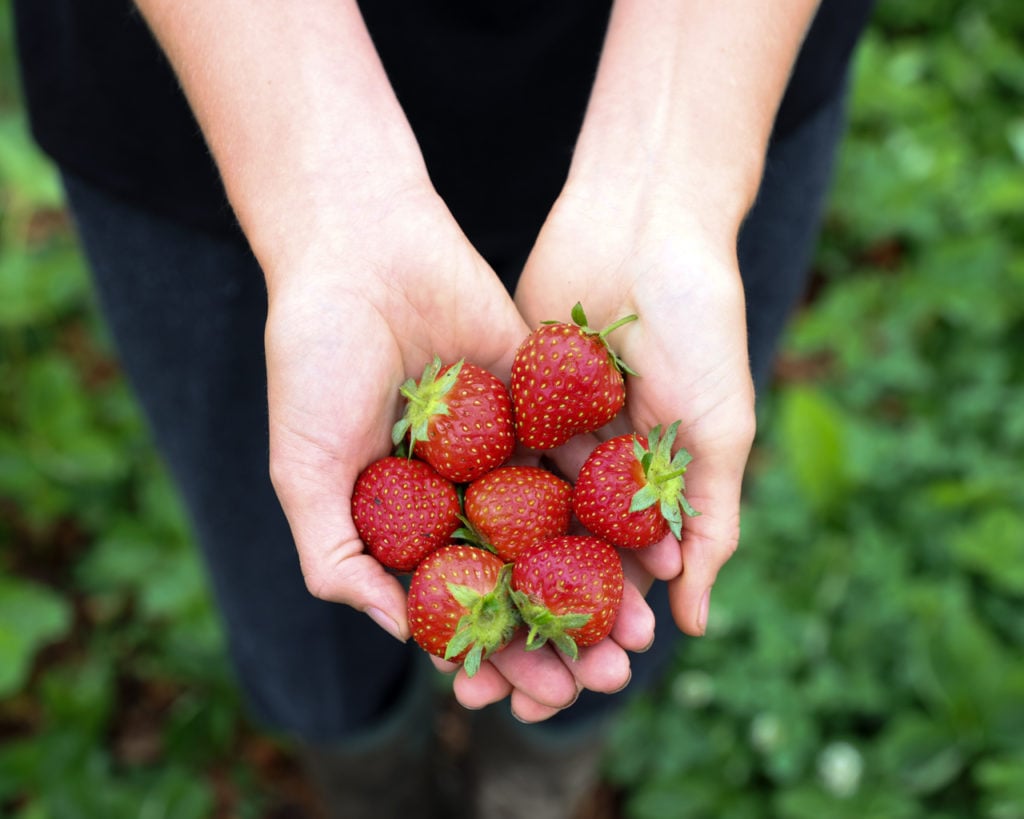
Crops develop their particular flavors and aromas through a complex interplay of sugars, acids, and volatile compounds. For example, strawberries are at their sweetest when red and fully aromatic, showcasing heightened sugar levels and diminished acidity. Research indicates that crops harvested at their peak experience a burst of flavor compounds, contributing to an enhanced eating experience. Using sensory evaluations can also assist growers in understanding how harvest timing influences the aromatic and flavor profiles of their produce.
Curing and Post-Harvest Handling
After harvest, how crops are handled determines their longevity and nutritional value. For instance, the curing process for root vegetables like sweet potatoes or onions is indispensable for promoting flavor development. Curing allows for starches to convert to sugars, significantly enhancing the taste. Adequate ventilation and humidity control during this phase can make the difference between bland and flavorful vegetables. Furthermore, improper storage conditions can lead to nutrient loss. Potatoes stored in cold conditions, for example, can develop an undesirable sweet taste due to sugar formation.
Types of Harvest Techniques
The method of harvesting is equally pivotal. Manual picking allows for greater care and assessment of individual fruits or vegetables, ensuring that only the right specimens make it into baskets. In contrast, mechanical harvesting, while efficient for large-scale operations, may lead to bruising or premature handling of crops like grapes and berries. Understanding the right harvesting technique contributes significantly to flavor retention and overall nutritional quality. For example, the use of cutting tools for leafy greens versus pulling them from the roots can prevent unwanted stress on the plant, preserving nutrient density.
Collaboration with Nature
Farmers can also maximize crop flavors by working with natural cycles. For instance, incorporating companion planting can enhance flavors and yield. Plants like basil are known to boost the flavor of tomatoes when grown nearby, indicating a positive relationship between different species. Understanding these relationships allows growers to create environments that foster beneficial cross-interactions, leading to tastier and more nutritious harvests.
By considering timing, weather impacts, scientific flavor development, post-harvest practices, and techniques, farmers and gardeners engage in a dynamic cycle that optimizes the flavor and nutrition of their crops. This multifaceted approach is not just a practice but a philosophy that elevates the quality of food on our tables, ensuring every bite is a delightful celebration of nature’s bounty.
DON’T MISS OUT: Click here to discover how to create your own vertical garden!
Conclusion
In conclusion, the process of properly harvesting crops is an intricate dance between timing, technique, and nature’s rhythms. Understanding when to harvest is essential not only for enhancing flavor profiles but also for preserving the nutritional integrity of the fruits and vegetables we consume. As noted, factors such as weather conditions and the science behind flavor development play a critical role in determining the ideal moment for harvest, dramatically influencing the sensory qualities of our food.
Furthermore, the post-harvest handling and curing processes are just as significant; they are essential for ensuring the longevity and taste of crops. Emphasizing the right harvest techniques can help mitigate damage and maintain the essence of the produce, allowing for a more enjoyable eating experience. The integration of companion planting also reveals a fascinating dimension to crop cultivation that encourages natural relationships to enhance flavor and yield.
Ultimately, maximizing the flavor and nutrition of our crops is not solely a matter of agricultural practice; it is a philosophy that invites us to deeply engage with the cycles of nature. By investing time and effort into understanding these processes, farmers, gardeners, and consumers can collaborate in bringing forth food that is not only nourishing but also a true celebration of the rich diversity and bounty of our natural world. As we strive for better practices in our own gardens or local farms, let us remember that every bite signifies our connection to the earth and the vibrant life it nurtures.